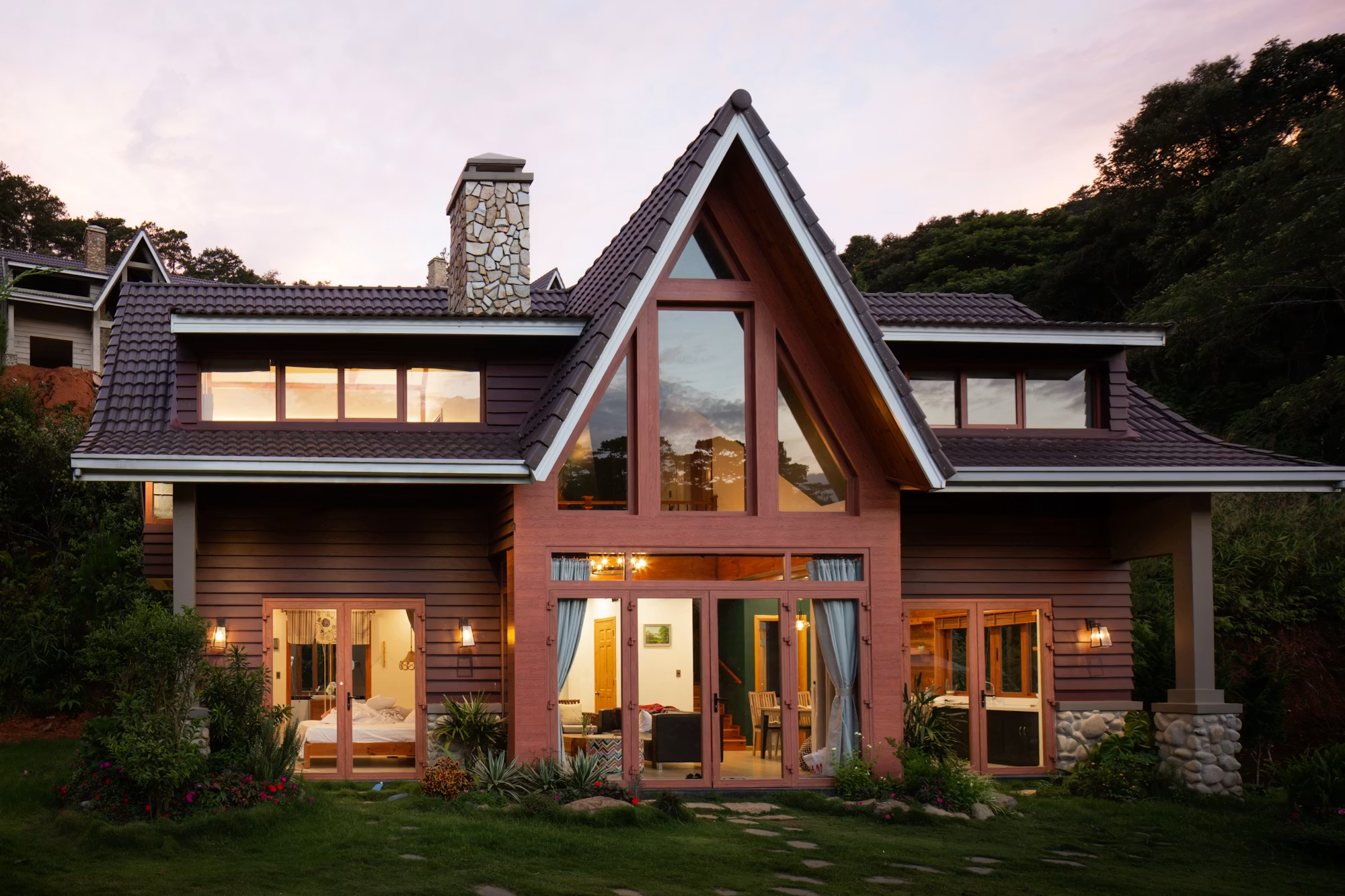
In an era where environmental concerns are at the forefront of global conversations, sustainable living has emerged as a crucial lifestyle choice. As we face challenges like climate change and resource depletion, embracing eco-friendly home design practices has become essential for homeowners and builders alike. This article explores the principles of sustainable living, the benefits of eco-friendly home design, and practical steps that can be taken to create a greener home environment.
Sustainable living revolves around the idea of reducing one’s ecological footprint while maintaining a high quality of life. It encompasses various aspects, including energy efficiency, water conservation, and the use of sustainable materials. By adopting these practices, homeowners can contribute to a healthier planet while enjoying the numerous benefits that come with eco-friendly living.
One of the fundamental principles of sustainable home design is energy efficiency. Homes that are designed to minimize energy consumption not only reduce utility bills but also lessen the demand for fossil fuels. There are several strategies to achieve energy efficiency, including proper insulation, energy-efficient windows, and the use of renewable energy sources like solar panels. For instance, installing double-glazed windows can significantly reduce heat loss in winter and keep homes cooler in summer, creating a comfortable living environment year-round.
Incorporating renewable energy sources into home design is another powerful way to promote sustainability. Solar panels, for example, harness sunlight to generate electricity, reducing reliance on traditional energy sources. Homeowners can also consider wind turbines or geothermal heating systems, depending on their location and energy needs. By generating their own energy, homeowners not only save money in the long run but also contribute to a reduction in greenhouse gas emissions.
Water conservation is another key component of sustainable living. As water scarcity becomes a pressing issue in many regions, implementing water-saving technologies in the home is vital. Low-flow faucets, showerheads, and toilets can significantly reduce water consumption without sacrificing comfort. Additionally, collecting rainwater through rain barrels for irrigation and landscaping purposes is an excellent way to conserve water while maintaining a beautiful garden.
Sustainable home design also emphasizes the importance of using eco-friendly materials. When selecting building materials, homeowners should consider options that are renewable, recycled, or locally sourced. Bamboo, for instance, is a rapidly renewable resource that can be used for flooring and furniture. Reclaimed wood adds character and reduces the demand for new lumber, while also minimizing waste. Choosing low-VOC (volatile organic compounds) paints and finishes improves indoor air quality and reduces harmful emissions, making homes healthier places to live.
An essential aspect of sustainable living is creating spaces that promote well-being and connection to nature. Biophilic design, which focuses on integrating natural elements into home environments, has gained popularity in recent years. Incorporating plants, natural light, and outdoor spaces into the home not only enhances aesthetics but also contributes to physical and mental well-being. Studies have shown that exposure to nature can reduce stress, improve mood, and enhance overall health.
Moreover, designing for flexibility and adaptability is crucial in sustainable home design. As families grow and change, homes should be able to accommodate those evolving needs. Open floor plans, multi-functional spaces, and modular furniture allow for versatility and ease of use. This adaptability not only enhances the functionality of a home but also extends its lifespan, reducing the need for costly renovations or expansions.
The benefits of sustainable living extend beyond the individual homeowner. By embracing eco-friendly practices, communities can work towards a more sustainable future. Neighborhoods designed with sustainability in mind often promote a sense of community and social interaction, as shared green spaces and gardens encourage residents to connect. Moreover, sustainable neighborhoods typically have lower infrastructure costs and reduced environmental impact, making them more resilient in the face of climate challenges.
Investing in sustainable home design can also have significant financial benefits. While some eco-friendly features may require an initial investment, the long-term savings on energy and water bills can be substantial. Furthermore, homes built with sustainability in mind often have higher resale values, as more buyers are seeking properties that reflect their values and commitment to the environment.
As we look to the future, the role of technology in sustainable living will continue to evolve. Smart home technology, for example, allows homeowners to monitor and optimize energy usage through apps and devices. Programmable thermostats, energy monitors, and smart irrigation systems help manage resources more efficiently, further reducing environmental impact. As technology advances, the possibilities for eco-friendly living will only expand, making it easier for homeowners to embrace sustainable practices.
In conclusion, sustainable living is not just a trend but a necessity for a healthier planet. By integrating eco-friendly practices into home design, homeowners can create spaces that are not only beautiful and functional but also environmentally responsible. From energy-efficient systems to sustainable materials and biophilic design, the choices we make in our homes can significantly impact our lives and the world around us. As we embrace this journey towards sustainability, we not only enhance our quality of life but also contribute to a more sustainable future for generations to come.